Missed, Cancelled or Unanswered? The Call Metrics Most Teams Get Wrong
By Recenvy Team ·
Ring groups make call reporting misleading. Here is how to distinguish missed, cancelled and unanswered calls, and which contact centre metrics actually drive decisions.
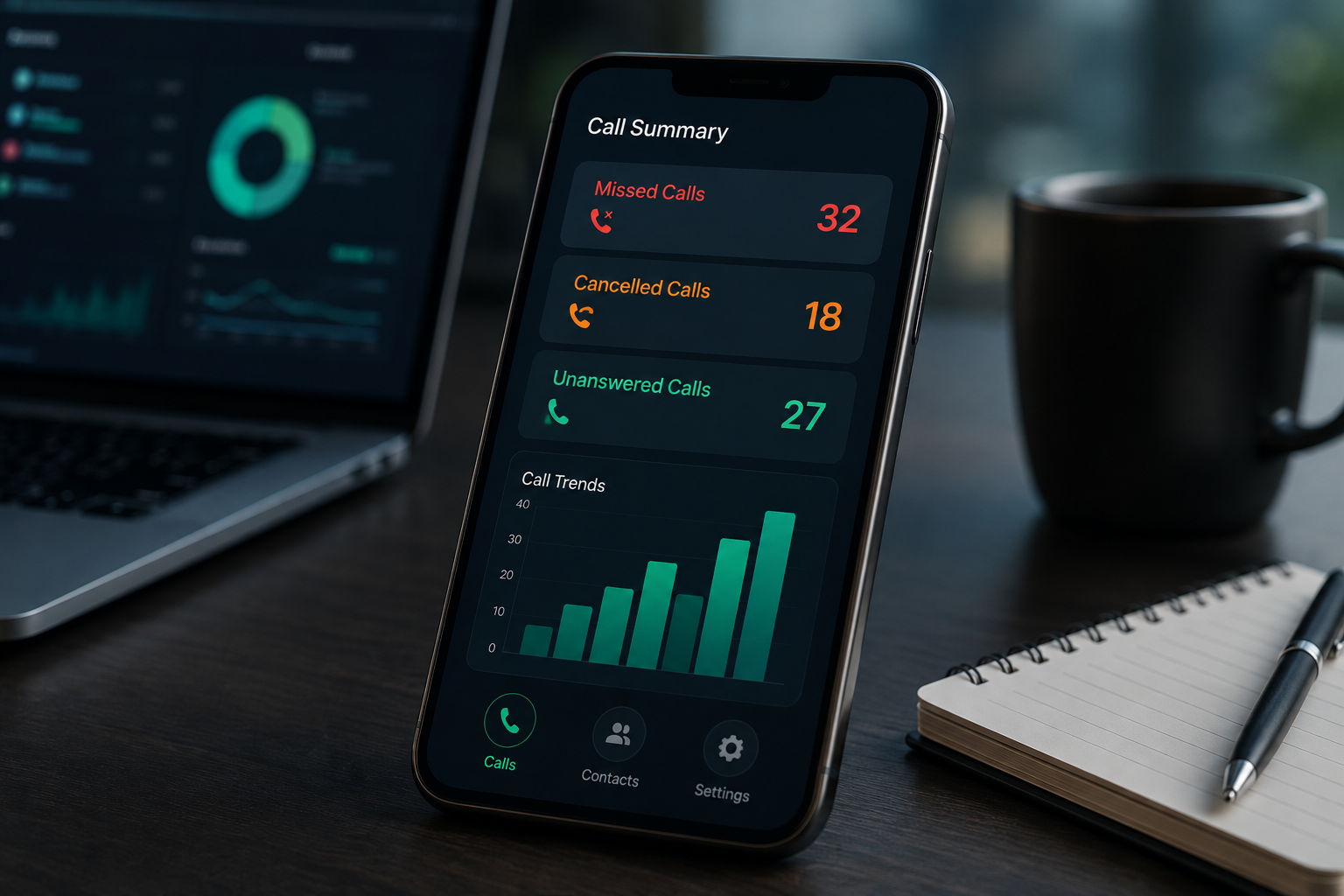
A contact centre manager pulls the call report and sees 400 missed calls in a week. Panic follows, headcount is discussed, and then someone discovers most of those "missed" calls were answered, just not by the first phone that rang.
This is the single most common reporting error in South African support operations, and it comes from how ring groups work.
Why ring groups inflate your numbers
When a call enters a ring group of six agents, the PBX creates a leg to each phone. One agent answers. The other five legs terminate unanswered. A naive report counts six call records: one answered, five missed. The caller experienced one answered call.
The fix is to group legs by their parent call identifier and report on the logical call, not the leg. Until that is done, every conclusion drawn from the report is wrong in the same direction.
Define the three outcomes properly
| Outcome | Definition | What it tells you |
|---|---|---|
| Answered | Any agent connected to the caller | Baseline volume served |
| Cancelled (abandoned) | Caller hung up before anyone answered | Patience exceeded — a wait-time problem |
| Unanswered / missed | Rang out with nobody available | A coverage or staffing problem |
Cancelled and unanswered demand different responses. Cancelled means people waited and gave up: shorten the queue or set expectations. Unanswered means nobody was there: fix rosters, break overlap or after-hours routing.
The metrics worth reporting
- Answer rate on logical calls, not legs
- Average speed of answer, plus the 90th percentile
- Abandonment rate with average time before abandoning
- Callback completion rate — of the calls you missed, how many did you return, and how fast
- Repeat callers within 48 hours — the honest measure of whether the first call resolved anything
- Volume by hour of day — the only basis for a defensible roster
Missed calls are a queue, not a statistic
The most valuable change any support team can make is to treat every unanswered call as a work item with an owner and a due time. A callback queue showing the number called, the time, the attempts and the outcome converts a lost call into a served client. Without it, missed calls are only ever counted, never recovered.
Then match the numbers to the roster
Plot abandonment against volume by hour. The overlap is almost always a 30 to 90 minute window, usually mid-morning or straight after lunch. Fixing coverage for that window typically improves the weekly answer rate more than adding an agent.
Recenvy''s contact centre view groups ring-group legs into single logical calls, separates answered, cancelled and unanswered, maintains a callback queue with called number and attempt history, and reports volumes and outcomes by hour, agent and department.
More articles
- About Recenvy: Business Software Built in South Africa — Who we are and what we build: Recenvy is a South African business operating system for stakeholders, enquiries, sales, billing, projects and client portals.
- CRM Software in South Africa: What Local Teams Actually Need — A practical guide to choosing CRM software in South Africa — rand invoicing, VAT, POPIA, local support and why most teams need more than a deal tracker.
- Why Recenvy: One System for Enquiries, Sales, Delivery and Billing — What Recenvy is, who it is built for, and why South African teams use one platform for stakeholders, helpdesk, quotes, VAT invoicing, projects and a client portal.